Upholstery Cleaning in SW3
If you are looking for upholstery cleaning in SW3, you are probably dealing with one of a few common problems: everyday dust settling into the fabric, a stubborn spill that won’t budge, pet hair embedded in the weave, or a sofa and chairs that simply look tired after years of use. In a busy part of London like SW3, soft furnishings work hard. From elegant period homes and compact apartments to boutique offices, private practices, and hospitality spaces, upholstery often needs specialist care to keep it looking clean, fresh, and comfortable.
Professional upholstery care is not just about appearance. It helps protect the fabric, improve the feel of your furniture, and create a more pleasant indoor environment. Whether you need a deep clean for a family sofa, a refresh for dining chairs, or regular maintenance for a commercial waiting area, local knowledge matters. A team familiar with SW3 understands access constraints, parking realities, building layouts, and the variety of furnishings found across Chelsea and the surrounding streets.
This page explains what the service includes, how it works, what affects pricing, how to prepare your space, and why choosing a local team can make the whole process easier. If you are ready to book or simply want to understand your options, you’ll find practical information here to help you take the next step with confidence.
Why Upholstery Cleaning Matters in SW3
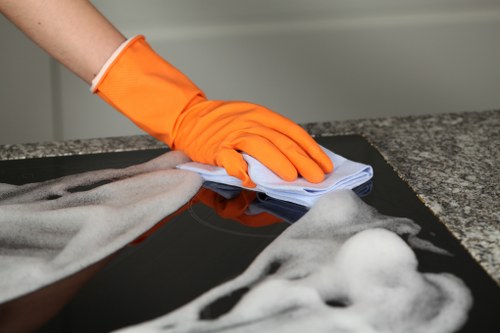
Upholstered furniture can collect far more than visible dirt. Fabric fibres trap dust, food crumbs, pollen, skin oils, pet dander, and airborne particles brought in from outside. In a location such as SW3, where many homes and businesses are beautifully maintained but active every day, upholstery can slowly lose its brightness and freshness even when it looks fine at first glance.
Regular cleaning can help extend the life of your furniture. When grime and oils are left to build up, they can wear down fibres and make fabrics look dull. A timely clean can also help reduce everyday odours and make a room feel more welcoming. For households with children, pets, or frequent visitors, upholstery cleaning can be especially worthwhile.
For commercial properties, the benefits are just as important. Waiting rooms, reception seating, dining banquettes, and office chairs all influence how a space feels. Clean upholstery supports a professional impression and helps keep shared areas more hygienic and comfortable for staff, clients, and guests.
Common reasons people book the service
Local customers often request cleaning when they notice one or more of the following:
- Visible staining from drinks, food, makeup, or ink
- General dullness or flattening of the fabric
- Pet hair, paw marks, or lingering odours
- Dust or allergens collecting in older furnishings
- Furniture that needs refreshing before guests, viewings, or events
- Commercial seating that must stay presentable for customers
What Upholstery Cleaning in SW3 Typically Includes
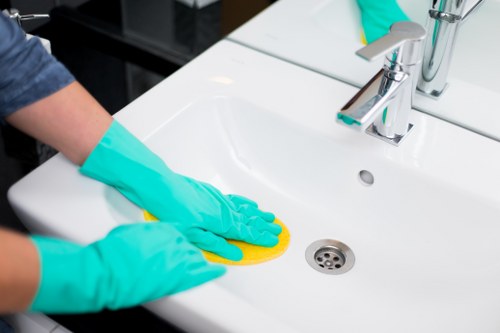
A well-run upholstery cleaning service should be tailored to the material, the condition of the furniture, and the type of marks or soiling present. It is rarely a one-size-fits-all process. Leather, cotton blends, velvet, microfibre, wool mixes, and synthetic fabrics each respond differently, so the right approach matters.
Most upholstery cleaning appointments begin with an inspection of the item. This helps identify the fabric type, the level of staining, and any areas that need special attention. The cleaner can then select suitable products and methods rather than risking damage with a generic treatment.
In many cases, the service may include pre-treatment of spots, a deep vacuum to remove loose debris, careful cleaning using appropriate extraction or low-moisture methods, and attention to edges, arms, and headrests where dirt builds up most quickly. The aim is to clean thoroughly while respecting the condition of the textile and the structure beneath.
Typical items treated
Local customers in SW3 often ask for cleaning for:
- Sofas and corner sofas
- Armchairs and accent chairs
- Dining chairs and stools
- Footstools and ottomans
- Office chairs and reception seating
- Bench seating and banquettes
- Headboards and upholstered panels
Important: some materials require particularly careful handling, especially delicate fabrics, antique pieces, or specialist designer furniture. A trained upholstery cleaner should always assess what is safe before starting.
How the Service Works

Booking upholstery cleaning in SW3 should feel straightforward. A professional visit usually follows a clear sequence so you know what to expect on the day. This is especially useful in busy homes and workplaces where time and access need to be managed carefully.
First, the cleaner normally checks the fabric type, condition, and any problem areas. This stage matters because the correct method depends on what the upholstery is made from. Some fabrics can be deep cleaned using hot water extraction, while others need gentler low-moisture techniques or specialist spot treatment.
Next comes preparation. Loose dirt is removed with vacuuming, and visible stains are assessed before treatment begins. Once the cleaning solution or process is chosen, the item is cleaned section by section, paying close attention to traffic areas such as seat bases, armrests, and back cushions. After the clean, drying advice is provided so you know how long to leave the furniture before use.
A simple step-by-step process
- Assessment of the fabric, stains, and furniture condition
- Vacuuming to remove dust, crumbs, and loose debris
- Pre-treatment for spots and high-use areas
- Cleaning with a suitable method for the fabric type
- Detail work on seams, edges, and awkward sections
- Drying guidance and aftercare recommendations
For many customers, the biggest advantage of hiring a local team is convenience. In SW3, access to upper floors, narrow entrances, and controlled parking can make the difference between a smooth appointment and a frustrating one. A local cleaner is more likely to plan effectively for these conditions.
Why Local Knowledge Matters in SW3

SW3 includes some of London’s most desirable residential streets, along with busy commercial and mixed-use buildings. That variety creates different cleaning requirements from one property to the next. Upholstery in a period townhouse may need careful movement through tight hallways, while a modern apartment might have lift access but strict building rules. Commercial settings can require work around opening hours, customer traffic, or shared spaces.
Local experience helps with all of this. A team familiar with the area is more likely to arrive prepared for permit parking challenges, concierge arrangements, loading restrictions, and limited storage or staging space. That means less disruption for you and a smoother service overall.
It also helps with expectations. Properties in Chelsea, South Kensington, and nearby parts of SW3 often contain a wide range of furniture styles, from contemporary modular seating to older upholstered pieces with more delicate construction. A local service provider who works in the area regularly will have seen these different setups before and can adapt accordingly.
Nearby areas commonly served
Many customers looking for upholstery cleaning in SW3 also live or work in nearby neighbourhoods such as:
- Chelsea
- South Kensington
- Knightsbridge
- Brompton
- Belgravia
- Fulham borders and adjacent central London locations
This proximity can be useful for customers who want a prompt appointment, a recurring maintenance schedule, or a service that fits around other household or business arrangements.
What Affects Upholstery Cleaning Prices?

Customers often want to know what influences the cost before they book. While exact pricing depends on the cleaner and the furniture involved, several practical factors usually shape the quote. Understanding these will help you compare services fairly and avoid surprises.
The size of the item is an obvious factor. A compact armchair takes less time than a large sectional sofa. Fabric type also matters, because delicate or specialist materials may need extra care and a slower process. Staining level is another influence: routine maintenance cleaning is usually simpler than work involving heavy soiling, pet accidents, or long-standing marks.
Access can also affect the estimate. In SW3, some properties are easy to reach while others involve stairs, limited parking, or careful coordination with a building manager. If the furniture needs moving, dismantling, or extra protection around the cleaning area, this can also shape the final quote.
Common pricing factors include
- Number of items to be cleaned
- Furniture size and construction
- Fabric type and sensitivity
- Level of soiling or staining
- Odour treatment or pet-related cleaning needs
- Ease of access and parking conditions
- Whether commercial or residential work is required
Tip: when requesting a quote, it helps to describe the item, fabric if known, any stains, and the room layout. Clear information makes it easier to recommend the most suitable approach.
Residential Upholstery Cleaning for SW3 Homes
Homes in SW3 often combine style with everyday use. That can mean beautifully chosen sofas, dining chairs, headboards, and occasional chairs that still need practical care. Upholstered furnishings may be central to the design of a room, so keeping them clean helps preserve both comfort and appearance.
Families often book a clean after a busy season of use, before visitors arrive, or when a spill has left a mark that household products cannot remove safely. Parents of young children frequently ask for help with food stains and general dust build-up. Pet owners may want to address hair, smells, and repeated contact points where fabric wears faster.
In apartments and townhouses, space can also be a factor. Furniture may be difficult to move, and access can be tight in hallways or stairwells. A local upholstery cleaner understands how to work carefully in lived-in spaces and keep disruption to a minimum.
Useful for many household situations
- Refreshing a living room sofa after heavy daily use
- Cleaning dining chairs before hosting guests
- Treating accidental spills on fabric seating
- Reducing pet odours and trapped hair
- Maintaining upholstery in rented or owner-occupied homes
- Preparing furniture for a room makeover or move
When upholstery is cleaned properly, a room can feel noticeably brighter and more inviting. That is one reason many homeowners choose to schedule regular maintenance rather than waiting for visible damage to set in.
Commercial Upholstery Cleaning for SW3 Businesses
Businesses across SW3 rely on first impressions. Upholstered seating in reception areas, waiting rooms, salons, private clinics, offices, boutique hotels, cafés, and restaurants can all influence how people perceive the space. Clean furniture suggests attention to detail and care for the customer experience.
Commercial upholstery cleaning is often arranged outside peak hours or in a way that minimises disruption. This is important where staff need to continue working or customers are moving through the property. A local team can usually be more flexible with access and timing, which is valuable in busy central London settings.
Regular cleaning can also support maintenance planning. Rather than waiting for a sofa or chair to look worn out, many commercial clients prefer periodic refreshes to preserve the appearance of shared furnishings and keep spaces feeling professional.
Commercial settings that benefit from upholstery care
- Offices and meeting rooms
- Reception and waiting areas
- Hospitality and dining spaces
- Beauty and wellness rooms
- Private medical and consultation spaces
- Showrooms and client-facing environments
Strong presentation matters. Even if the rest of the room is spotless, tired upholstery can affect the overall impression. A clean seating area often makes a business look better cared for immediately.
How to Prepare for Your Appointment
Preparation is usually simple, but a few small steps can help the appointment run more smoothly and make the most of the cleaner’s time. If you are booking upholstery cleaning in SW3, it is worth checking access, clearing the area around the furniture, and noting any special concerns in advance.
In many cases, there is no need to do any heavy lifting yourself. However, making a little space around the item can help the cleaner work efficiently and protect nearby objects. If the room is tight, this can be especially helpful in SW3 properties where space may be at a premium.
It is also sensible to identify any stains or areas of concern before the visit begins. If you know what caused a mark, let the cleaner know. Food, drink, cosmetic products, and pet accidents each require different attention, and the more information provided, the better the treatment can be planned.
Preparation checklist
- Remove small objects, cushions if requested, and fragile items nearby
- Clear a walkway to the furniture where possible
- Let the cleaner know about any stains or odours in advance
- Check whether parking, entry, or building access needs arranging
- Keep pets and young children away from the work area during cleaning
- Follow any aftercare advice once the appointment is complete
Good preparation can save time and reduce stress. It also helps ensure the upholstery is cleaned as thoroughly and safely as possible.
Fabric Types and Special Care
Different fabrics need different approaches. Some materials are robust and tolerate deep cleaning well, while others are more delicate and can be damaged if the wrong product or moisture level is used. Because of this, a careful fabric assessment is one of the most important parts of any upholstery cleaning service.
Common fabrics found in SW3 homes and businesses include natural fibres, synthetic blends, velvet, linen-type materials, wool mixes, microfibre, and leather. Each has its own cleaning requirements. For example, some fabrics respond well to hot water extraction, while others are better suited to dry or low-moisture methods to reduce the risk of shrinkage or water marks.
Leather upholstery requires a different routine entirely. It may need gentle cleaning, conditioning, and careful attention to avoid cracking or discolouration. Antique or heirloom pieces should always be treated conservatively, with testing carried out first where appropriate.
Why testing matters
Before cleaning begins, a responsible cleaner may test a small hidden section to check how the material reacts. This helps reduce the risk of colour transfer, texture changes, or damage to trims and stitching. It is a small step that can make a big difference, especially with high-value or fragile furniture.
What a careful cleaner looks for
- Colourfastness and fabric stability
- Existing wear, fraying, or weak seams
- Water sensitivity or shrinkage risk
- Signs of previous chemical treatment
- Whether the item needs a gentle or more intensive method
What Happens After Cleaning?
Once the upholstery has been cleaned, drying time becomes an important part of the process. The exact time depends on the method used, the fabric type, room ventilation, and the thickness of the cushions. Customers are usually advised to avoid sitting on the furniture until it is dry or only lightly damp.
It is also helpful to ventilate the room if possible. Good airflow can assist drying and reduce any lingering cleaning scent. If the item is in a shared living space or commercial area, planning around the drying period helps avoid disruption.
Aftercare matters too. While the immediate result is often the most visible benefit, sensible maintenance after the appointment can help keep the furniture looking better for longer. This may include vacuuming regularly, dealing with spills quickly, and avoiding harsh household cleaners that can leave residue or damage fabric.
Simple aftercare habits
- Allow the fabric to dry fully before normal use
- Use cushions or throws if you want added everyday protection
- Vacuum gently on a routine basis
- Blot spills promptly rather than rubbing them
- Avoid soaking stains with strong cleaning products
- Arrange maintenance cleaning before heavy soiling builds up
Regular care is usually easier and more cost-effective than waiting until furniture looks heavily marked.
Why Choose a Local Company for Upholstery Cleaning in SW3
There are practical reasons to choose a local upholstery cleaner rather than a provider that is unfamiliar with the area. A local team is more likely to understand the pace of central London properties, the parking situation, and the need to work with building rules or time restrictions. That can be especially important in SW3, where homes and businesses often sit in busy, tightly managed surroundings.
Local service also tends to mean more relevant experience. A cleaner who regularly works in Chelsea and nearby districts is likely to have encountered many of the furniture types, fabrics, and access issues common to the area. That experience can improve both the planning and the result.
For many customers, convenience matters as much as the clean itself. A local provider can often offer a more flexible appointment process, better timing around the customer’s schedule, and a service that feels more responsive to the realities of life in SW3.
Benefits customers often value
- Familiarity with local property layouts and access needs
- Better understanding of residential and commercial requirements
- More efficient scheduling for central London lifestyles
- Careful handling of valuable or delicate furnishings
- Support for one-off visits or repeat maintenance cleaning
If you need upholstery cleaning in SW3, choosing a local team can make the service feel simpler, smoother, and better suited to your property.
Frequently Asked Questions
Below are answers to some of the questions customers often ask before booking upholstery cleaning in SW3.
How often should upholstery be cleaned?
That depends on how the furniture is used. A family sofa in daily use may benefit from more regular cleaning than a guest-room chair or a low-use office seat. Many customers schedule a clean when they notice visible dirt, stains, or odours, while commercial clients often prefer routine maintenance.
Can all stains be removed?
Not always. Some marks are difficult to remove fully, especially if they have been left for a long time, if the fabric is delicate, or if previous cleaning attempts have set the stain. A professional cleaner can usually assess the likely outcome before starting and explain what is realistic.
Is upholstery cleaning safe for delicate fabrics?
It can be, provided the correct method is used. Delicate fabrics require careful assessment, testing, and appropriate products. This is one reason it is important to use a service that understands different textile types rather than applying a single approach to every item.
How long does furniture take to dry?
Drying time varies depending on the fabric, the method used, and the room conditions. Ventilation and warmth help. Your cleaner should explain how long to wait before using the item again and whether any special drying steps are recommended.
Do I need to move the furniture myself?
Usually, only light preparation is needed. Many cleaners can work around the item in place, though access is important. If furniture needs to be moved, this should be discussed before the appointment so the plan is clear.
Can upholstery cleaning help with pet smells?
Yes, in many cases it can make a noticeable difference. Pet odours often cling to fibres and padding, so specialist cleaning may help remove trapped smells along with hair and surface dirt. The results depend on the condition of the furniture and how deeply the odour has penetrated.
Still unsure what your furniture needs?
It is perfectly normal to ask for advice before booking. A brief description of the item, fabric, and any stains can help determine the most suitable cleaning method.
Book Upholstery Cleaning in SW3
If your sofa, chairs, or commercial seating have lost their fresh appearance, now is a good time to arrange professional care. A well-chosen cleaning service can help restore comfort, improve presentation, and give you confidence in the condition of your furnishings.
Whether you need a one-off clean, help with an awkward stain, or a recurring maintenance visit for a business setting, a local team can provide a practical solution that fits around your property and schedule. Request a free quote if you want to understand what is involved, or book your service now if you are ready to get started.
For homeowners, tenants, landlords, and businesses alike, professional upholstery care is one of the simplest ways to keep a space feeling well looked after. Contact us today to discuss your furniture, your fabric, and the best approach for your SW3 property.