Health and Safety Policy for Cleaners SW3
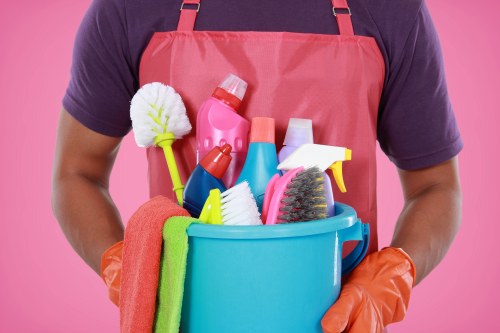 Our Health and Safety Policy for Cleaners SW3 sets out the practical standards that help protect staff, clients, visitors, and anyone else who may be affected by cleaning activities. It applies to everyday tasks such as dusting, vacuuming, sanitising, washroom cleaning, waste removal, and the use of cleaning products and equipment. The aim is to keep cleaning services safe, consistent, and well managed while reducing the risk of injury, illness, or property damage.
We recognise that cleaners SW3 often work in varied environments and may encounter wet floors, sharp objects, heavy items, or exposure to chemicals. For that reason, all work is planned with safety in mind before any task begins. Risk awareness, careful preparation, and sensible working methods are central to maintaining a safe workplace. This policy also supports clear communication so that concerns can be raised and addressed quickly.
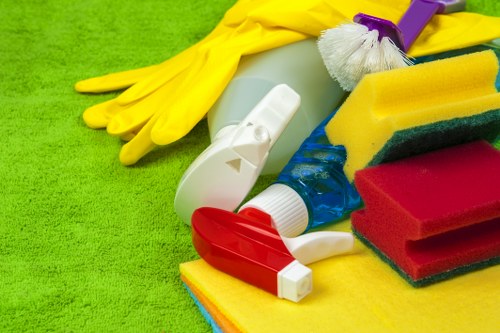 Every cleaning operative is expected to follow safe systems of work at all times. This includes using equipment correctly, wearing appropriate personal protective equipment where required, and avoiding shortcuts that could create hazards. Floors should be inspected before and during cleaning, warning signs should be used where appropriate, and products must be handled according to the manufacturer’s instructions. Safe practice is not optional; it is part of professional service delivery.
Core Safety Responsibilities
Responsibility for health and safety is shared across the cleaning team, supervisors, and managers. Supervisors should ensure that tasks are allocated appropriately, that operatives understand the risks involved, and that any unsafe condition is reported without delay. Team members must take reasonable care of their own safety and that of others, follow instructions, and use equipment only for its intended purpose. Good housekeeping is also essential, as cluttered work areas increase the likelihood of slips, trips, and falls.
Cleaning staff should be particularly careful when moving between rooms or working near the public. Where access is limited or a space is busy, the work should be paused until it is safe to continue. Lifting and carrying must be done using proper technique, especially when transporting buckets, vacuum units, refuse sacks, or stocked supplies. If a load is too heavy or awkward, assistance or a different method should be used rather than risking strain.
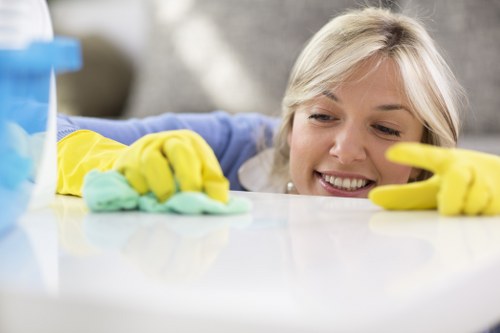 Chemical safety is a major part of this policy. All cleaning products must be stored securely, clearly labelled, and kept separate from food or personal items. Products should never be mixed unless specifically instructed by the manufacturer. Staff must understand dilution rates, ventilation needs, and the correct use of gloves or eye protection. When in doubt, the safer choice is to stop and seek clarification before continuing.
Workplace Risk Control Measures
To reduce risk, each job should begin with a quick visual check of the area. This includes identifying slippery surfaces, damaged fixtures, broken glass, exposed wires, or other obvious hazards. Where necessary, the area should be isolated until it can be cleaned safely. Equipment should also be checked before use to confirm that cables, plugs, brushes, pads, and casings are in good condition. Faulty tools must be removed from service immediately.
Personal protective equipment, when required, should be clean, suitable for the task, and worn correctly. This may include gloves, aprons, face protection, or slip-resistant footwear. Health and safety measures are effective only when they are followed consistently, so regular reminders and supervision are important. Training should cover safe chemical handling, manual handling, infection control, and emergency response so that the team can act confidently in routine and unexpected situations.
The cleaners SW3 policy also places emphasis on hygiene and infection prevention. Waste should be disposed of promptly and safely, with sharps or hazardous materials handled only in line with specific instructions. Cloths and mops should be maintained properly to avoid spreading dirt or contamination from one area to another. Hand hygiene is essential after finishing tasks, after removing gloves, and before eating, drinking, or touching personal items.
Incident Reporting and Emergency Response
Any accident, near miss, or unsafe condition must be reported as soon as possible so that corrective action can be taken. This includes slips, falls, chemical splashes, broken equipment, and any concern that could affect future work. Prompt reporting helps prevent repeat incidents and supports a safer environment for everyone. Records should be kept accurately and reviewed so that lessons can be learned and procedures improved where necessary.
In an emergency, cleaners should stop work, make the area safe if they can do so without risk, and follow the appropriate site procedures. If there is a spill, contamination, injury, or fire risk, the priority is to protect people first and then secure the area. Emergency exits must remain clear, and staff should know the basic actions required for evacuation, first aid escalation, and hazard isolation. Calm, timely action is essential.
 Supervisors are responsible for checking that safety expectations are maintained during the working day. This includes reviewing compliance with safe procedures, ensuring that supplies and equipment are stored correctly, and confirming that staff are not being asked to take on unsafe workloads. Fatigue, rushed work, and poor planning all increase risk, so schedules should allow enough time to complete tasks properly and safely.
Training, Monitoring, and Continuous Improvement
Regular training helps keep the policy effective and relevant. New staff should be inducted into safe working practices before starting duties, while existing staff should receive refreshers when procedures change or new equipment is introduced. Training should be practical and easy to understand, with opportunities to ask questions and demonstrate correct methods. Safe cleaning services depend on competence as well as attitude, and both should be supported through ongoing supervision.
The policy should be monitored through routine checks, spot reviews, and feedback from supervisors about recurring hazards or procedural issues. Where weaknesses are found, corrective action should be taken quickly and proportionately. This may include additional training, replacing damaged items, revising task methods, or updating storage arrangements. A proactive approach helps prevent incidents rather than reacting to them after harm has occurred.
 This health and safety policy is intended to support a professional, reliable, and cautious approach to cleaning work. By following safe procedures, using equipment properly, and maintaining clear standards, cleaners SW3 can deliver high-quality results while protecting themselves and others. Safety is part of every task, every day, and it remains the foundation of responsible cleaning operations.