Sloane Square Chelsea upholstery cleaning and stain removal: a practical local guide
If your sofa has picked up a red wine mark, your armchair is looking a bit tired, or a much-loved ottoman has one stubborn mystery stain, you are not alone. In busy homes around Sloane Square and Chelsea, upholstery takes a proper battering from daily life: coffee cups, muddy shoes, pets, perfume, makeup, and the occasional party spill that seemed funny at the time. Sloane Square Chelsea upholstery cleaning and stain removal is really about restoring comfort without damaging delicate fabrics, wood trims, or fillings. This guide explains what works, what to avoid, and how to make a sensible decision between a quick spot clean and professional help.
We will cover the cleaning process, practical benefits, fabric-specific considerations, common mistakes, and the kind of expectations that keep you from making an expensive mess. If you are also thinking about wider home care, you may find it useful to browse the full service overview or the dedicated upholstery cleaning service for a broader view of what is typically available.
Practical summary: the best upholstery cleaning starts with the right fabric check, a gentle test on a hidden patch, and a stain treatment that matches the spill rather than the other way round. Simple, really. But not always easy.
Table of Contents
- Why Sloane Square Chelsea upholstery cleaning and stain removal Matters
- How Sloane Square Chelsea upholstery cleaning and stain removal Works
- Key Benefits and Practical Advantages
- Who This Is For and When It Makes Sense
- Step-by-Step Guidance
- Expert Tips for Better Results
- Common Mistakes to Avoid
- Tools, Resources and Recommendations
- Law, Compliance, Standards, or Best Practice
- Options, Methods, or Comparison Table
- Case Study or Real-World Example
- Practical Checklist
- Conclusion
- Frequently Asked Questions
Why Sloane Square Chelsea upholstery cleaning and stain removal Matters
Upholstery is one of those things people stop noticing until it starts telling a story you would rather keep private. A pale chaise near a window can yellow slowly from sunlight and dust. A dining chair can absorb cooking oils and skin contact over time. A fabric sofa in a compact Chelsea apartment may collect crumbs and dust faster than you think, especially when it is used as a second dining area, a work station, and a place to collapse after a long day. London life does that to furniture.
Good upholstery care matters for three practical reasons. First, it keeps the room looking fresher. Second, it helps preserve the material, because a stain left too long can settle deeper into fibres and backing. Third, it can reduce lingering odours from food, pets, or damp. To be fair, nobody wants a sofa that looks clean but still smells faintly of last month's takeaway.
In Sloane Square and the surrounding Chelsea streets, a lot of homes use higher-end fabrics, bespoke pieces, or older furniture with character. That makes stain treatment more delicate. The wrong cleaner can flatten velvet pile, distort wool, or leave a halo mark on a pale linen blend. So yes, this topic is about appearance, but it is also about protecting materials that are not cheap to replace. If you are preparing a property for viewing, you may also want to read expert selling tips for Chelsea homes, because first impressions matter more than most people admit.
How Sloane Square Chelsea upholstery cleaning and stain removal Works
Professional upholstery cleaning usually starts with identification. Not glamorous, but essential. The cleaner checks the fabric type, the age of the item, the construction, and any visible wear. Cotton behaves differently from velvet. Wool is not the same as synthetic microfiber. Leather is its own conversation entirely, and should not be treated like a fabric sofa just because it looks similar from across the room.
Then comes pre-inspection and stain mapping. This means locating problem spots, understanding which marks are fresh and which have already oxidised, and deciding what treatment sequence makes sense. A coffee spill does not need the same approach as grease, makeup, ink, or pet urine. If someone tells you there is one magic spray for everything, politely back away.
In a well-run process, the technician may use dry soil removal, careful pre-treatment, controlled agitation, hot water extraction or low-moisture cleaning depending on the fabric, and targeted stain work for the stubborn bits. The goal is not to soak the upholstery. Over-wetting is a classic mistake because it can slow drying, leave water marks, or encourage wicking, where a stain rises back to the surface as the item dries. Annoying, and very common.
Some pieces, especially velvet or antique furniture, need a gentler approach. That can mean hand-cleaning, pH-balanced products, or a lighter moisture method. For delicate furnishings, the cleaning outcome often depends more on restraint than on force. A careful technician knows when to stop, and that is worth a lot.
For homes with a mix of furniture and floor coverings, it often makes sense to coordinate upholstery work with carpet cleaning in SW3. It is a small detail, but it helps the whole room feel coherent rather than half-done.
Key Benefits and Practical Advantages
Well-executed upholstery cleaning gives you more than a prettier sofa. It changes how the room feels and how the furniture performs in daily life.
- Improved appearance: colours look brighter, cushions sit cleaner, and tired high-traffic areas look more even.
- Better odour control: food smells, smoke residues, and pet odours are easier to reduce when they have not had time to settle deeply.
- Fabric protection: removing soil and residue helps reduce abrasion from trapped grit.
- Longer furniture life: cleaner fibres usually wear better, particularly on frequently used seating.
- Healthier everyday environment: dust, pollen, and general debris are reduced, which is especially useful in busy homes.
- Better presentation: a sofa that looks cared for can lift the whole room, which is handy if you are hosting, selling, renting, or simply trying to feel a bit more sorted.
There is also a psychological benefit, truth be told. Clean upholstery makes a room feel calmer. You sit down and stop noticing the suspicious patch in the corner. That matters, especially if the living room is the place where everything happens.
For landlords, agents, or tenants, upholstery condition can also affect how a property is judged. If you are nearing the end of a tenancy, it is worth looking at end of tenancy cleaning in SW3 and the practical advice in the SW3 end of tenancy cleaning checklist for Chelsea flats. Upholstery is often one of those items people forget until the last minute. Then, of course, they remember at 8pm the day before checkout.
Who This Is For and When It Makes Sense
This kind of cleaning is relevant to a lot of people in and around Sloane Square. Some situations are obvious; others sneak up on you.
- Homeowners who want to preserve good furniture and keep interiors presentable.
- Tenants trying to avoid avoidable deductions or complaints about visible marks.
- Landlords and agents who need furniture to present well for new occupants or viewings.
- Busy families dealing with snack spills, school-day grime, or the odd pet accident.
- People who entertain often, especially in smaller Chelsea homes where sofas and dining chairs see a lot of traffic.
- Anyone with delicate fabrics who is wary of doing damage with a supermarket product and a bit of optimism.
When does it make sense to act? Ideally, as soon as a stain appears. Fresh spills are usually easier to remove than old ones. But if the mark has already set, do not panic. Many stains can still be improved significantly with the right treatment, even if they are no longer "fresh fresh".
A quick home example: a cream armchair with a tea ring near the front edge. If you leave it and keep rubbing at it with kitchen towel, you can spread the mark and rough up the fabric. If you stop, blot correctly, and get advice early, you may save both the stain and the chair. Small difference. Big outcome.
Step-by-Step Guidance
If you are dealing with a stain now, use a calm, methodical approach. Rushing tends to make upholstery problems worse, not better.
- Identify the fabric. Check the label if there is one. If not, assume it is more delicate than it looks until proven otherwise.
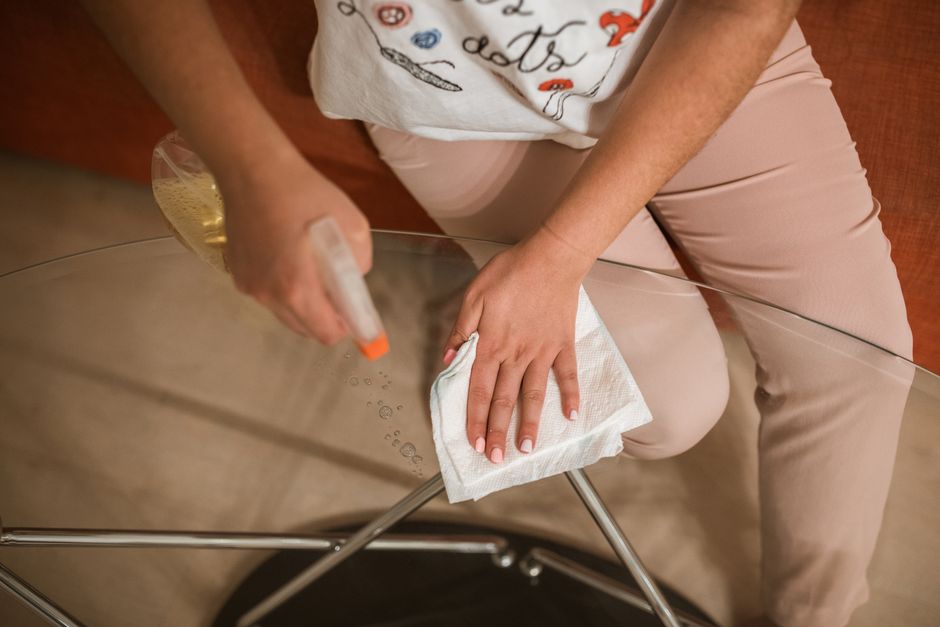
- Blot, do not scrub. Use a clean white cloth or absorbent paper and press gently. Rubbing drives the stain deeper and can damage fibres.
- Work out the stain type. Food, drink, body oils, ink, makeup, and pet-related stains need different treatment. Oil and water behave differently. A lot differently.
- Test a hidden area. Try any cleaning solution on a small concealed patch first. Back edge, under cushion, somewhere sensible.
- Use minimal product. Start with the least aggressive option that might work. Too much liquid often causes rings, residue, or a patchy finish.
- Treat from the outside in. Work around the stain edges first to prevent spread.
- Remove residue. Any cleaner left behind can attract dirt later.
- Dry properly. Use airflow and patience. A fan or open window can help, but avoid heat that may distort fibres.
- Check after drying. Some stains reappear only as the fabric dries. If needed, repeat with the right method rather than adding more random product.
If you are unsure at step 3 or step 4, that is usually your cue to slow down. There is no medal for DIY disaster prevention attempts gone wrong.
Expert Tips for Better Results
Here are the things that tend to make the biggest difference in real homes, not just in tidy demonstration videos that somehow never show the aftermath.
- Act early on drinks and food stains. Fresh marks are far easier to manage before they oxidise or sink into the backing.
- Use white cloths rather than coloured ones. A surprising number of people forget this and end up transferring dye. Not ideal.
- Keep cleaning motion controlled. Circular scrubbing can roughen the pile on velvet or spread the stain wider.
- Protect surrounding areas. Cushion seams, piping, buttons, and trims often need more care than the main panel.
- Think about the whole room. If your sofa has marks and the curtains are dusty, the room will still feel off. If you are refreshing soft furnishings, you might also like best practices for cleaning velvet curtains and avoiding common mistakes.
- Choose the right dryness level. Some fabrics do best with low-moisture cleaning. Less water is not laziness; sometimes it is the correct method.
- Deodorise indirectly. Removing the source of odour is better than masking it with fragrance. Nobody wants a sofa that smells like a lemon orchard over a mystery problem.
One useful rule: if a stain is older than it looks, treat it with caution. A stain that has been sat on, warmed, and re-set a dozen times is often much more stubborn than a first glance suggests. Also, if the material is velvet, silk blend, or a heritage piece, be more conservative than brave. Brave is overrated in upholstery.
Common Mistakes to Avoid
Most upholstery damage happens because someone is trying to help quickly. That is understandable, but the wrong help can be expensive.
- Scrubbing too hard: this can spread the stain and damage the pile or weave.
- Using too much water: over-wetting can leave tide marks, shrinkage, or damp odours.
- Mixing random products: combining cleaners can create residue or unexpected reactions. Not a clever experiment.
- Ignoring fabric codes: some materials need solvent-based or specialist treatment, not general-purpose spray.
- Cleaning without testing: a hidden patch test can prevent a very visible mistake.
- Leaving residues behind: sticky cleaner residue traps dirt and makes the area look grim again faster.
- Forgetting to dry thoroughly: upholstery that stays damp too long can develop odour or water marks.
The most common real-world mistake is probably overconfidence. Someone sees a stain, grabs a bottle, and thinks, "How hard can it be?" Then the fabric changes colour, and the room gets very quiet. Let's not do that.
Tools, Resources and Recommendations
You do not need a cupboard full of products to care for upholstery properly. In many cases, a few sensible basics are better than a shelf of strong cleaners.
| Tool or item | Why it helps | Best use |
|---|---|---|
| Clean white microfibre cloths | Absorb spills without dye transfer | Blotting fresh stains and lifting residue |
| Soft upholstery brush | Helps loosen surface dust gently | Routine maintenance before deeper cleaning |
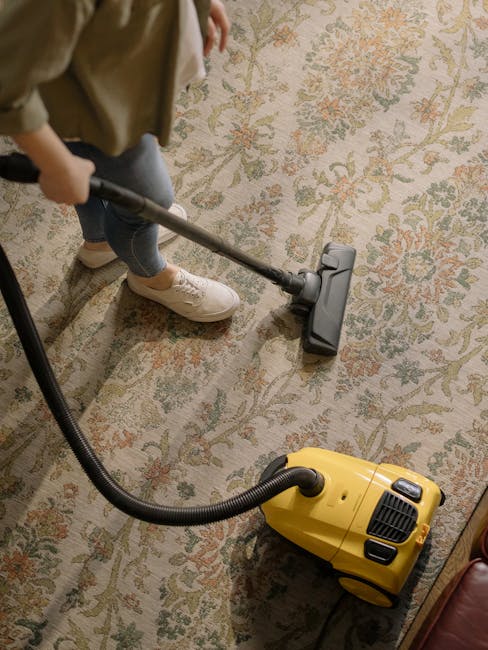
| Vacuum with upholstery attachment | Removes crumbs and grit | Weekly or fortnightly upkeep |
| Hidden-area test spot | Confirms colourfastness | Before any liquid treatment |
| Neutral or fabric-safe cleaner | Reduces risk of fibre damage | Light stain work, where suitable |
| Fan or airflow | Speeds drying | After spot cleaning or professional treatment |
If you are considering professional help, look for clear communication, fabric knowledge, and a proper process for inspection and aftercare. It is also sensible to understand practicalities before booking, so pricing and quotes can be a useful place to start if you want to compare options without guesswork. And if you are curious about the company behind the service, the about us page is there for a reason.
You may also want to note any household sensitivities, children's items, or pet access before cleaning starts. A careful service should take that into account as part of the job, not as an afterthought.
Law, Compliance, Standards, or Best Practice
Upholstery cleaning is not usually a heavily regulated activity in the way some trades are, but that does not mean standards do not matter. In the UK, any business cleaning in a customer's home should work carefully, communicate clearly, and follow sensible health and safety practice. That includes using products appropriately, protecting surfaces, and handling water and electrical equipment responsibly.
For customers, the key issue is less about formal law and more about due care. You want a provider that understands fabric limitations, uses reasonable methods, and is upfront about what can and cannot be improved safely. If a stain has permanently altered the dye or fibre, it is better to hear that honestly than be promised a miracle.
Professional cleaners should also respect site safety, access arrangements, and any relevant insurance considerations. If you are checking background standards, pages such as health and safety policy, insurance and safety, and payment and security help build trust in how the service is run. Those details are not thrilling, granted, but they are part of a sensible booking decision.
Best practice also means protecting the customer's home while work is carried out: shoe covers where appropriate, careful movement of furniture, attention to drying time, and clear expectations about what results are realistic. That kind of professionalism is the real standard people feel, even if they never say it aloud.
Options, Methods, or Comparison Table
Not every stain or upholstery type needs the same solution. A quick comparison helps make the choice clearer.
| Method | Best for | Advantages | Limitations |
|---|---|---|---|
| Careful spot cleaning | Small fresh spills | Fast, minimal disturbance | Can leave rings if overused or done badly |
| Low-moisture upholstery cleaning | Delicate fabrics and faster drying | Less water, lower risk of saturation | May be less effective on deep soil |
| Hot water extraction | Durable fabric sofas and heavily used items | Strong soil removal, good for general refresh | Not suitable for every fabric |
| Targeted stain treatment | Specific marks like wine, grease, makeup, or pet stains | More precise, can be highly effective | Needs correct stain identification |
| Delicate hand-cleaning | Velvet, heritage pieces, or sensitive trims | Safer for fragile materials | Usually slower and more labour-intensive |
The right choice usually depends on three things: fabric type, stain type, and how much risk you are willing to accept. If the furniture is cheap and replaceable, you may feel comfortable trying more yourself. If it is bespoke or sentimental, more caution is wise. That is just common sense, really.
Case Study or Real-World Example
Imagine a Chelsea flat near Sloane Square with a pale three-seater sofa, a velvet accent chair, and a dining bench that has taken on a few marks from guests and daily use. There is a tea stain on one cushion, a faint grease mark on the arm, and the velvet chair has started to look a little flattened where people sit most often. Nothing dramatic. Just the usual creep of lived-in furniture.
A sensible approach would begin by separating the issues. The tea stain gets a light, fabric-safe treatment rather than a soak. The grease mark needs a product that addresses oil without spreading it. The velvet chair gets gentle lifting and pile restoration, not aggressive brushing. The room as a whole is then vacuumed and aired, so the clean does not stop at the obvious marks. After drying, the sofa looks brighter, the chair regains some softness, and the room feels as though someone has quietly pressed reset.
That is the real value here: not perfection, but improvement that is visible and durable. Most people are not chasing showroom condition. They want furniture that feels cared for and comfortable again. And honestly, that is a very fair ask.
Practical Checklist
Use this checklist before you clean upholstery yourself or book help.
- Identify the fabric type or care label.
- Check whether the stain is fresh, dried, greasy, water-based, or unknown.
- Blot gently with a clean white cloth.
- Test any cleaner in a hidden area first.
- Use the least aggressive method likely to work.
- Avoid soaking the fabric or rubbing hard.
- Allow proper drying with airflow.
- Inspect for rings or residual staining after the item dries.
- Consider professional help for delicate fabrics, large stains, or odour issues.
- Book related cleaning if the whole room needs a proper refresh.
Small note, but an important one: if the item is part of a move-out clean, or you want the whole property to feel consistent, it may be worth pairing upholstery work with domestic cleaning in SW3, house cleaning services, or even Kings Road Chelsea apartment cleaning services explained for broader context on apartment-focused cleaning needs.
Conclusion
Sloane Square Chelsea upholstery cleaning and stain removal is ultimately about protecting the pieces that make a home feel comfortable, elegant, and usable day after day. The best results come from matching the method to the fabric, dealing with stains promptly, and avoiding overconfident DIY shortcuts that can leave more problems than they solve.
If your upholstery only needs light maintenance, a careful spot-clean and routine vacuuming may be enough. If the fabric is delicate, the stain is stubborn, or the item matters to you, professional help is often the safer and more economical option in the long run. That is especially true in Chelsea homes where furniture is often an investment as much as a practical item.
Get a free quote today and see how much you can save.
And if you are still weighing the bigger picture, look at the wider service options, company information, and relevant policy pages so you can book with confidence rather than guesswork. A fresh sofa can change the mood of a room more than people expect. A small win, but a lovely one.
Frequently Asked Questions
How often should upholstery be professionally cleaned in a Chelsea home?
It depends on use, fabric type, pets, children, and whether the furniture sits in a busy living area. For a heavily used sofa, a yearly clean is a common benchmark, while lighter-use items may go longer. Spot stains should always be dealt with as soon as possible.
Can all upholstery stains be removed?
No, not always. Some stains permanently alter the dye or fibre, especially if they have been left for a long time or treated with the wrong product. Good cleaning can often improve the appearance significantly, but an honest assessment is better than a false promise.
Is velvet safe to clean?
Yes, but it usually needs a gentler approach than standard woven fabric. Velvet can flatten, mark, or develop texture changes if it is scrubbed or over-wet. Test patches and careful drying matter a lot.
What should I do immediately after a spill on my sofa?
Blot gently with a clean white cloth, do not rub, and avoid adding lots of water straight away. Then identify the fabric and stain type before applying anything stronger. Quick action helps, but calm action helps more.
Will cleaning remove odours as well as stains?
Often yes, especially if the smell comes from food residue, general soil, or pet-related contamination. If the odour has soaked deep into padding or backing, more targeted treatment may be needed.
How long does upholstery take to dry?
Drying time varies with fabric, room ventilation, cleaning method, and how much moisture was used. Light cleaning may dry relatively quickly, while deeper cleaning can take several hours. Good airflow helps a lot.
Is it safe to use supermarket stain removers on furniture?
Sometimes, but only with caution. Many products are too strong, too wet, or simply not suited to the fabric. Always test first, and avoid mixing different cleaners together.
What is the difference between upholstery cleaning and carpet cleaning?
Upholstery cleaning is designed for furniture fabrics, cushions, and often more delicate materials and stitching. Carpet cleaning is for floor coverings, which usually tolerate different methods and more moisture. The two are related, but not interchangeable.
Can upholstery cleaning help before selling or renting a property?
Yes. Clean seating makes rooms look brighter, more cared for, and easier to photograph or view in person. If you are preparing a move or sale, broader property presentation advice can help too, including Chelsea real estate how to invest and Chelsea living what locals say.
What if my upholstery has an unknown stain?
Unknown stains should be treated cautiously because the wrong chemistry can set them further or change their colour. A professional inspection is usually the safest route if the fabric is valuable or the stain is large.
Do I need to move furniture before a cleaning visit?
Not necessarily, but it helps to clear small items, cushions, throws, and fragile objects. If movement is needed, a good cleaner should explain what can safely be shifted and what should stay put.
Where does upholstery cleaning fit into a wider home-cleaning plan?
It usually sits alongside carpet care, dust removal, and general room refresh work. For larger homes or busy households, combining it with office cleaning is not relevant, of course, but domestic or house cleaning often is. The point is to treat upholstery as part of the room's overall condition, not as an isolated job.
How do I decide between DIY and professional upholstery cleaning?
If the stain is fresh, the fabric is sturdy, and the mark is small, DIY may be fine. If the fabric is delicate, the stain is old, or the item is expensive or sentimental, professional cleaning is usually the safer choice. In practice, caution usually saves money.