Avoid hidden cleaning charges in Chelsea how to check quotes
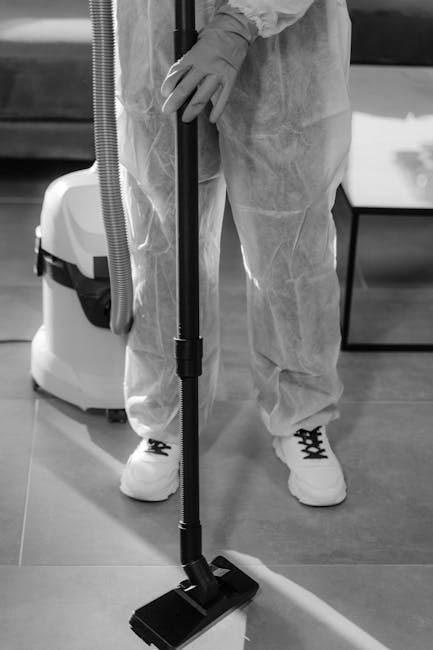
If you have ever compared cleaning quotes and felt that something did not quite add up, you are not alone. Hidden fees can turn a fair-looking price into a frustrating bill, and in Chelsea that matters even more because properties, access arrangements, parking, and specialist cleaning requests can all affect the final cost. This guide on Avoid hidden cleaning charges in Chelsea how to check quotes shows you exactly what to look for, what to ask, and how to spot the little extras before they sneak onto an invoice.
To be fair, most cleaning companies do not set out to confuse people. But vague wording, missing details, and assumptions about the job often create problems. The good news? Once you know how to check quotes properly, the whole process becomes much easier, and far less stressful.
- Why it matters
- How quote checking works
- Key benefits
- Who this is for
- Step-by-step guidance
- Expert tips
- Common mistakes
- Tools, resources and recommendations
- Law, compliance and best practice
- Options and comparison table
- Real-world example
- Practical checklist
- Conclusion
- Frequently asked questions
Why Avoid hidden cleaning charges in Chelsea how to check quotes Matters
Hidden cleaning charges are not just annoying. They can change the decision you make in the first place. A quote that looks competitive at a glance may not include stair access, heavy grime, ovens, appliance interiors, or after-hours visits. Then, on cleaning day, the price shifts. That is when trust starts to wobble.
In Chelsea, quote checking matters because many homes and businesses have a few complications that are easy to overlook: controlled parking, basement flats, concierge access, delicate finishes, or tight time windows around tenants and visitors. Even a small misunderstanding can cause a dispute. And nobody wants a polite conversation in a hallway that suddenly becomes, well, less polite.
Checking quotes carefully also helps you compare like with like. Without that, the cheapest option may look attractive while actually being the most expensive once extras are added. A properly checked quote is not just a price. It is a promise of what is included, what is excluded, and how any changes will be handled.
Expert summary: A clean quote should be specific, readable, and complete. If it relies on broad phrases such as "subject to inspection" or "from price only" without explanation, you should treat it as a starting point rather than a final offer.
How Avoid hidden cleaning charges in Chelsea how to check quotes Works
The process is simple in principle. You ask for a quote, compare what each cleaner includes, and verify anything that could become chargeable later. In practice, the details matter. A quote that is based on room count may be fine for a standard domestic clean, but it may be too vague for a deep clean, end of tenancy job, or a property with awkward access.
Most reliable quotes should cover a few key elements:
- the type of cleaning service requested
- the size or condition of the property
- what rooms, appliances, or fixtures are included
- any assumptions about access, parking, or time on site
- whether materials and equipment are included
- how extras are priced if needed
When reviewing a quote, look for the points where the company has made assumptions. That is where hidden charges often live. For example, if a cleaner quotes for an end of tenancy clean but does not mention ovens, inside cabinets, or limescale removal, there is a fair chance those items may appear later as extras. Not always, but often enough to be worth checking.
It also helps to ask how the cleaner defines "standard condition". This sounds dull, but it is one of those things that saves hassle. One person's standard kitchen is another person's "needs a proper reset".
Key Benefits and Practical Advantages
There are real advantages to learning how to check cleaning quotes properly. Yes, the obvious one is saving money, but there is more to it than that.
- Better budgeting: You know the likely total before booking, which is especially helpful for landlords, tenants, and busy households.
- Fewer disputes: Clear expectations reduce the chance of awkward conversations after the job.
- More accurate comparisons: You can compare one company with another without guessing what is included.
- Improved service quality: Companies that quote clearly often work more carefully because they have already defined the scope.
- Less stress: Truth be told, most people just want the job done properly without surprises.
There is also a practical advantage in Chelsea specifically. Some homes are elegant but fiddly, with narrow access points, valuable finishes, or parking constraints that can affect time and labour. When these details are checked upfront, the final result tends to be smoother for everyone involved.
A careful quote check is a small habit with a big payoff. Not dramatic. Just sensible.
Who This Is For and When It Makes Sense
This approach is useful for almost anyone booking a cleaner, but it is especially valuable if you are in one of these situations:
- Homeowners who want a one-off clean, deep clean, or regular service without surprise add-ons.
- Tenants who need end of tenancy cleaning and cannot afford deductions caused by missing items.
- Landlords and letting agents who need predictable turnaround and clear documentation.
- Busy professionals who prefer a quick, reliable quote that does not need five follow-up calls.
- Businesses comparing office cleaning, communal cleaning, or specialist services.
It is also useful if you have already had a bad experience elsewhere. Maybe the cleaner arrived and said, "That will be extra." Maybe the invoice included a surcharge for something that should have been obvious. If that rings a bell, then careful quote checking is not overcautious. It is just smart.
For example, someone moving out near King's Road may need a move-out clean that includes kitchen grease, bathroom descaling, and carpet care. If those elements are not listed clearly, the quote is incomplete, even if the headline price looks attractive.
Step-by-Step Guidance
Here is a practical way to check cleaning quotes without getting buried in jargon or fine print.
1. Describe the job properly
Start with a clear brief. Say whether you need domestic cleaning, deep cleaning, end of tenancy work, office cleaning, or a specialist service like upholstery or oven cleaning. Mention the number of rooms, bathrooms, floors, and any problem areas. If there are pets, stains, delicate materials, or heavy build-up, say so. A vague request often leads to a vague quote.
2. Ask what is included in the base price
Do not assume anything. Ask whether the quote covers inside appliances, skirting boards, windows, limescale removal, trash removal, or high-touch points. If the company offers pricing and quotes information, read it carefully and still ask for clarification where needed. Written clarity beats verbal memory every time.
3. Check for access-related charges
In Chelsea, access can matter more than people expect. Ask whether there is a charge for stairs, no-lift access, restricted entry times, waiting time, parking issues, or key collection. If the cleaner needs to park in a paid zone, find out who covers it. Small costs stack up quickly.
4. Ask how extras are approved
A proper quote should explain how additional work is approved. For example, if the cleaner finds heavy oven grease or mould in a bathroom, do they stop and ask, or continue and invoice later? The answer should be clear. You want consent before extra charges, not surprise billing after the job.
5. Confirm supplies and equipment
Some companies bring everything. Others expect the customer to provide products, vacuum cleaners, or specific materials. If specialist equipment is needed for carpet cleaning, rug cleaning, or stain removal, that should be stated upfront. No guessing. No cross-your-fingers pricing.
6. Compare quotes on the same basis
Only compare cleaners after you have levelled the playing field. If one quote includes materials, parking, and a satisfaction revisit while another does not, the lower price may be misleading. Build a little comparison table for yourself if needed. Old-fashioned, yes. Effective, very.
7. Ask for the total in writing
Before booking, ask for the total expected charge, not just an hourly rate or starting price. A written quote or estimate is easier to question later if something changes. If a company is unwilling to spell out its pricing, that is a signal worth listening to.
Expert Tips for Better Results
Here are the things experienced customers tend to do, usually after learning the hard way. That is life, I suppose.
- Keep your request specific. "Deep clean one-bed flat, including oven and bathroom limescale" is much better than "general clean please."
- Ask for exclusions as well as inclusions. A clear list of what is not covered helps avoid argument later.
- Use photos where helpful. A few honest photos of stains, access points, or heavy grime can improve accuracy.
- Check cancellation and rescheduling terms. Missed appointments can create fees if the policy is strict.
- Watch the wording around estimates. If it says "from" or "starting at", find out what could change the price.
Another useful habit is to ask whether the company provides services that match your needs. For example, if you need end of tenancy cleaning, that is a different job from regular cleaning. The wrong service type is one of the easiest ways for a quote to become misleading, even when nobody intends that outcome.
And one more thing: do not be embarrassed to ask basic questions. The people who ask the most boring questions usually avoid the most expensive surprises.
Common Mistakes to Avoid
Most hidden charge problems come from predictable mistakes. Once you know them, they are easier to dodge.
- Choosing purely on the lowest price. Cheap can be fine, but only if the scope is clear.
- Not checking whether the quote is fixed or estimated. Those are not the same thing.
- Forgetting to mention difficult access. A basement flat, limited parking, or security check-in can all affect cost.
- Assuming specialist tasks are included. Oven cleaning, carpet stain removal, or upholstery work may be separate.
- Ignoring the terms and conditions. Tedious? Absolutely. Still worth it.
- Not asking about equipment or products. A quote can look cheaper simply because it leaves those out.
One common Chelsea-specific issue is underestimating time. Older properties, premium finishes, or tightly scheduled access can stretch a job beyond what was assumed in the quote. If the cleaner has not asked enough questions, that is usually a warning sign. Not always a red flag, but close enough to deserve a proper check.
Tools, Resources and Recommendations
You do not need complicated software to check quotes well. A few simple tools and habits will do most of the work.
- A written comparison note: Use a notebook or spreadsheet to list what each quote includes.
- Photos: Send clear pictures of problem areas, access routes, and rooms where useful.
- A question list: Keep a short standard set of questions you ask every cleaner.
- Service pages: Review the company's service descriptions, such as deep cleaning, oven cleaning, or carpet cleaning, so you can match the service to the quote.
- Policy pages: Check the company's terms and conditions, insurance and safety, and payment and security information for extra peace of mind.
If you are comparing specialist cleaning, it can help to look at related services too. For example, after builders cleaning may involve dust and residue in places a standard clean would not cover, while upholstery cleaning and sofa cleaning can require separate methods and drying time. When you understand the service category, quote checking becomes much easier.
If you want a broader view of what the company offers, you can also scan the full list of services such as domestic cleaning, house cleaning, office cleaning, and one-off cleaning. The important part is not the menu itself. It is matching the menu to the quote.
Law, Compliance, Standards, or Best Practice
This topic is mainly about consumer awareness and service clarity, but best practice still matters. In the UK, reputable cleaning firms generally operate with transparent pricing, clear terms, and sensible communication about what is included. That is not just good manners. It reduces misunderstandings.
You should also pay attention to practical compliance signals. For example, a company should be able to explain its insurance arrangements, safety approach, and payment process in plain English. If you are booking a commercial or shared-space clean, such as commercial cleaning or communal area cleaning, clear documentation becomes even more important because access, liability, and service expectations may be more structured.
Terms and conditions matter here. They usually explain how quotes are defined, when extra charges might apply, what happens if the job changes, and what the customer must provide. If a quote conflicts with the terms, ask for clarification before booking. That is the sensible route.
Best practice in plain words: if something might cost more, get it written down before the cleaning starts.
Options, Methods, or Comparison Table
There are a few common ways cleaning quotes are structured. Knowing the difference helps you avoid surprise charges and choose the right option for your situation.
| Quote type | How it works | Risk of hidden charges | Best for |
|---|---|---|---|
| Fixed quote | One agreed price for a defined scope | Lower, if the scope is detailed and accurate | End of tenancy, deep cleans, clearly defined jobs |
| Estimated quote | Price based on expected time or condition | Medium to high if the estimate is vague | Jobs with variable condition or access |
| Hourly rate | You pay by the hour for time spent on site | Higher if the job scope is not tightly managed | Flexible domestic cleaning or recurring work |
| Service bundle | Several tasks priced together | Medium, depending on what the bundle excludes | Move in/out cleaning, specialist room refreshes |
In many cases, a fixed quote gives the most comfort because you know the number before anyone starts. Still, a well-explained estimate can work just fine if the property or service is hard to define in advance. The key is not the pricing model itself. It is the clarity around it.
Case Study or Real-World Example
Picture a small flat near Sloane Square that needs a move-out clean. The customer wants the kitchen, bathroom, and lounge covered, plus the oven and two bedroom carpets. On the first quote, the company gives a nice round figure but does not mention inside cupboards, oven trays, or stain treatment. The second quote is a little higher, but it lists every room, the oven, spot-cleaning for carpets, and what happens if access takes longer than expected.
At first glance, the cheaper quote looks tempting. But once the customer asks a few questions, it becomes clear that the lower price could increase if the oven is heavily used or the carpets need extra attention. In the end, the more detailed quote offers better value because it reduces guesswork. That is the bit many people miss.
We have all seen this sort of thing play out. The quote looks fine, the flat smells a little of lemon cleaner, everyone feels optimistic, and then the extras start appearing one by one. Not exactly a disaster, but annoying enough. A clearer quote would have prevented it.
This is also where related services matter. If the job includes delicate fabric or marks on furniture, checking the detail against stain removal, rug cleaning, or mattress cleaning pages can help set expectations before the appointment. Again, it is about clarity, not complication.
Practical Checklist
Use this checklist before you approve any cleaning quote in Chelsea.
- Have I clearly described the property and the job?
- Does the quote state exactly what is included?
- Does it mention what is excluded?
- Are access issues, parking, and waiting time covered?
- Are materials and equipment included in the price?
- Is the quote fixed, estimated, or hourly?
- Have I asked how extra work is approved?
- Do the terms and conditions match what I was told?
- Is the company insured and clear about safety?
- Have I compared the quote against at least one other like-for-like offer?
If you can tick most of those boxes, you are in good shape. If not, pause and ask more questions. A couple of minutes now can save a rather annoying phone call later.
Conclusion
The easiest way to avoid hidden cleaning charges in Chelsea is not to chase the lowest number. It is to check the quote properly, line by line, until you understand the full scope. That means asking what is included, what is not, and what could change the price once the work starts.
Whether you need domestic cleaning, a deep clean, end of tenancy support, or a specialist service, a careful quote review gives you control. And in Chelsea, where access, property type, and service expectations can vary quite a bit, that control matters. A clear quote gives everyone a better day. Simple as that.
If you are still comparing options, take a breath, gather the details, and keep things in writing. You will feel better for it, and so will the cleaner. Nice and straightforward, which is how it should be.
Get a free quote today and see how much you can save.
Frequently Asked Questions
What are hidden cleaning charges?
Hidden cleaning charges are extra costs that were not clearly explained in the original quote. They often relate to access, heavy dirt, special tasks, or materials that were assumed rather than stated. The best protection is a detailed written quote.
How do I know if a cleaning quote is fair?
A fair quote should clearly state what is included, what is excluded, and whether the price is fixed or estimated. If you can compare it to another quote on the same basis, that usually helps you judge fairness much more accurately.
Should I choose the cheapest quote?
Not automatically. The cheapest quote is only good value if it includes the same work as the others. A low price with lots of exclusions can become expensive once the extras are added.
What should be included in a cleaning quote?
A good quote should include the type of cleaning, the property size or scope, key tasks, any exclusions, the pricing model, and any likely extras such as parking, access issues, or specialist materials.
Can a cleaner charge more after giving a quote?
Yes, sometimes, but only if the quote was clearly estimated or if extra work was agreed later. If the price changes without clear reason or agreement, that is something you should question straight away.
Is a fixed quote better than hourly pricing?
It depends on the job. Fixed quotes are often easier for one-off or end of tenancy cleaning because you know the final price. Hourly pricing can work for regular cleaning, but it needs careful scope control.
What questions should I ask before booking a cleaner in Chelsea?
Ask what is included, whether materials are provided, how access and parking are handled, whether the price is fixed, and how extra work is approved. Those questions catch most of the common surprises.
Are parking and access charges normal in Chelsea?
They can be, depending on the property and the service. In areas with limited parking or restricted access, a cleaner may need to charge for time or parking costs. The key is making sure it is explained before the booking is confirmed.
How can I compare two cleaning quotes properly?
Compare them on the same scope. Check the rooms, tasks, materials, exclusions, access assumptions, and whether the quote is fixed or estimated. A simple side-by-side note often makes the difference obvious.
Do I need a written quote?
Yes, ideally. A written quote or message makes it much easier to check the details later if anything changes. It also reduces the risk of misunderstandings about what was agreed.
What if the cleaner says the job is more expensive after seeing the property?
That can happen if the property condition or scope was not clear at the quoting stage. Ask them to explain exactly what changed and whether any extras were discussed before work began. If not, you can challenge the additional charge politely but firmly.
Is it worth checking terms and conditions for a cleaning quote?
Yes, definitely. Terms and conditions often explain how quotes are priced, what counts as an extra, and what happens if access or timing changes. It is not thrilling reading, but it is useful reading.
What is the safest way to avoid surprise charges?
The safest approach is to describe the job clearly, ask what is included, confirm exclusions, get the total in writing, and make sure any extra work needs your approval first. That simple routine prevents most problems before they start.
Where can I find more details about services and pricing?
You can review service pages such as cleaning types, pricing information, and policy pages to understand what is usually included. That gives you a better base for comparing quotes and spotting gaps before you book.